
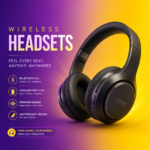
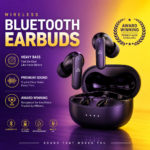


This wireless earbuds selection guide explains how to choose comfortable, reliable earbuds for music, calls, travel, exercise, and everyday listening. Modern models offer features such as active noise cancellation, spatial audio, multipoint connectivity, voice assistance, and long battery life.
Wireless Earbuds Selection Guide: What Makes Wireless Earbuds Worth Buying?
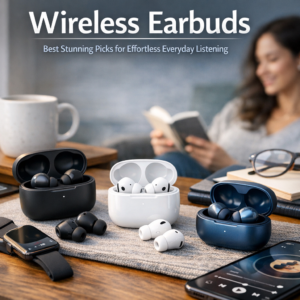
For another helpful perspective, this Wireless Earbuds Selection Guide highlights practical trade-offs for buyers. For another helpful perspective, this guide highlights practical trade-offs for buyers. Above all, the biggest advantage of wireless earbuds is simplicity. There is no cable between the earbuds and your phone or laptop. As a result, you can move freely without wires catching on clothing or bags.
Most models use a compact charging case. In addition, the case protects the earbuds and adds battery power throughout the day.
Many designs also offer fast pairing, touch controls, low-latency gaming modes, and clearer calls. Meanwhile, the market includes affordable options and high-end products. Therefore, shoppers can choose useful features without paying for technology they do not need.
Wireless Earbuds Selection Guide: Wireless Earbuds and Bluetooth Earbuds: Is There a Difference?
The terms wireless earbuds and Bluetooth earbuds often mean the same thing. However, they describe slightly different ideas. Wireless earbuds have no physical connection to the audio source. By contrast, Bluetooth earbuds specify the technology used to connect with phones, tablets, computers, and other devices.
Most modern products are true wireless stereo earbuds. The left and right sides work completely separately. Consequently, this design offers maximum freedom and a minimalist appearance. Earlier wireless earphones sometimes used a cable between the earbuds. That design can still suit athletes and commuters who prefer a more secure connection.
Bluetooth versions also matter. Newer standards generally improve connection stability and energy efficiency. They can also support advanced features. For background on the technology, see the Bluetooth technology overview.
Nevertheless, Bluetooth alone does not determine sound quality. Drivers, tuning, codec support, fit, and software all influence the listening experience.
Wireless Earbuds Selection Guide: Choosing Active Noise Cancelling Earbuds
Active noise cancelling earbuds use microphones to detect surrounding sounds. They then create an opposing signal to reduce unwanted noise. Therefore, this technology helps on airplanes, trains, busy streets, and in shared workspaces.
The best noise cancellation combines electronic processing with a secure physical seal. In particular, silicone ear tips block some outside sound before the electronic system works.
Many premium models include adjustable noise control. Users can select full cancellation, transparency mode, or an adaptive setting. In the latter case, the setting changes according to the environment.
Transparency mode is equally important. External microphones pass ambient sound into the earbuds. This helps users hear announcements, conversations, and traffic without removing them. As a result, awareness modes are especially useful when walking or exercising outdoors.
Sound Quality and Spatial Audio
Sound quality should match personal preferences. For example, some listeners enjoy powerful bass for pop, hip-hop, and electronic music. Others prefer balanced sound that preserves vocals and instruments.
Earbud apps often provide equalizer settings. These controls let users adjust bass, treble, and other characteristics.
Spatial audio earbuds create a wider, more immersive experience. With compatible music, films, and games, sounds can seem to come from different directions. Some models also support head tracking. This feature adjusts the audio image as the listener moves.
Spatial audio is not essential for everyone. Still, it can make supported content more engaging. Before buying, check compatibility with your phone, streaming services, and operating system.
Why Battery Life Matters
Long battery life earbuds suit travelers, professionals, students, and frequent listeners. Earbud ratings commonly range from several hours to more than ten hours per charge. The charging case may provide several additional cycles.
However, active noise cancellation, spatial audio, high volume, and frequent calls can reduce runtime. Fast charging can help. For instance, some models provide an hour or more of playback after a few minutes in the case.
A case with USB-C charging is preferable for many users. It uses a widely available cable. Additionally, wireless charging adds convenience for people with a compatible charging pad.
Sports Wireless Earbuds for Active Lifestyles
Sports wireless earbuds should stay secure during movement. They should also resist sweat and offer simple controls. Stabilizing wings or ear hooks can improve the fit during running, cycling, and gym workouts.
Water resistance is important, but shoppers should understand the rating. Waterproof Bluetooth earbuds may resist sweat, rain, or splashes. However, not every model supports swimming or complete submersion.
An IPX4 rating generally indicates splash resistance. Higher ratings provide stronger water protection. Therefore, always check the manufacturer’s guidance before using earbuds in heavy rain or near pools.
A good sports model should also offer clear controls, reliable Bluetooth performance, and a comfortable fit. Most importantly, it should not cause pressure during long workouts.
Open-Ear Earbud Designs
An open-ear earbud does not fully seal the ear canal. Instead, it directs sound toward the ear while leaving the surrounding area open. This design suits runners, cyclists, and people who need environmental awareness.
Open-ear products usually provide less bass and noise isolation than sealed earbuds. However, they can feel more comfortable during extended wear. They also suit environments where complete isolation would be inconvenient or unsafe.
Sound leakage varies by design. Therefore, users should choose a moderate volume in quiet public spaces.
Comfort, Fit, and Call Performance
Even advanced earbuds disappoint when they fit poorly. Many models include several ear tip sizes. Testing each option can improve comfort, bass response, and noise isolation.
Moreover, a secure fit prevents the earbuds from shifting during movement.
Call quality depends on microphone placement, background-noise processing, and wind reduction. If you attend meetings or make outdoor calls, look for multiple microphones and voice-enhancement software.
For that reason, reviews that test calls in busy environments can be more useful than manufacturer claims.
Finding the Right Pair
The best wireless earbuds balance sound quality, comfort, battery performance, durability, and useful features. Commuters may prioritize active noise cancellation and a compact case. Athletes may focus on a secure fit and water resistance.
Frequent travelers can benefit from long battery life and multipoint connectivity. Similarly, movie and gaming enthusiasts may prefer spatial audio and low-latency performance.
Rather than choosing by brand or appearance, consider daily use. Ultimately, a well-fitting model with the right features offers more value than an expensive pair you rarely use.
For more product comparisons, explore this wireless earbuds features and buying guide. With so many Bluetooth earphones available, effortless everyday listening is easier to achieve.