



Wireless audio solutions make it easier to enjoy music, television, calls, and podcasts without being tied to a cable. Avantree focuses on practical audio products for everyday listening, including wireless headphones, Bluetooth transmitters, speakers, and related accessories. The right choice depends on where you listen, which devices you use, and whether you value comfort, simple setup, portability, or clearer communication most.
Wireless Audio Solutions: What to look for in wireless audio
Before comparing products, consider your main listening situation. A person who watches television late at night may need comfortable headphones and a reliable connection. Someone who travels may prefer a compact headset with long battery life. For phone and computer calls, microphone quality and a stable fit can matter more than maximum volume.
Compatibility also deserves attention. Check whether the source device supports Bluetooth, whether it has a suitable audio output, and whether an adapter or transmitter is required. A television, laptop, smartphone, and game console may use different connection methods. Confirming those details first can prevent an otherwise good product from becoming difficult to use.
Sound preferences vary, too. Some listeners want strong bass for music, while others prioritize balanced dialogue for films and television. If several people use the same room, a personal listening setup can provide more flexibility than relying on a single speaker. For a broader look at budget-friendly listening equipment, see this guide to affordable Soundcore audio picks.
Wireless Audio Solutions: Avantree headphones for personal listening
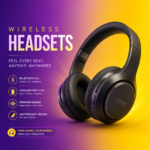
Wireless headphones are a practical starting point for private listening. They can reduce cable clutter and let users move around more freely than wired models. When choosing a pair, review the ear-cup design, headband padding, control layout, and battery expectations. Comfortable materials matter because even excellent sound becomes less useful if the headphones feel tiring after a short session.
Over-ear designs generally provide a more enclosed listening experience, while on-ear models may feel lighter and easier to pack. Neither style is automatically better. The best fit depends on head size, preferred weight, heat tolerance, and how long each listening session lasts. People who wear glasses should also consider whether the ear cushions create uncomfortable pressure around the temples.
Noise control can be useful in busy homes, offices, and travel environments. However, listeners should still check how a product handles voices, television dialogue, and background sounds. Noise reduction and sound isolation are not identical features, so product descriptions and independent testing can help set realistic expectations.
Bluetooth transmitters for television and older devices
A Bluetooth transmitter can connect a compatible audio source to wireless headphones or speakers. This is especially helpful when a television or other device does not provide built-in Bluetooth audio. Instead of replacing the source device, users can add a small adapter that sends sound wirelessly to a supported listening product.
Connection options are important. Depending on the model and source, a transmitter may use an optical, auxiliary, or other audio connection. Check which ports are available before buying. Optical output can be common on televisions, but settings may need adjustment so the television sends compatible audio through that port.
Some setups also require attention to audio delay. A slight lag between spoken dialogue and the picture can be distracting, particularly during films, news programs, or live sports. Look for clearly stated low-latency support when synchronized speech matters. Even then, the television and receiving headphones must work together for the result to be satisfactory.
Wireless speakers for shared listening
Headphones suit private listening, whereas wireless speakers work well when several people want to hear the same content. A speaker can be useful in a bedroom, kitchen, office, or small gathering. When comparing models, consider room size, placement, charging requirements, control options, and whether the speaker is designed for indoor or portable use.
Placement affects the listening experience more than many buyers expect. Keep a speaker away from corners when possible, and avoid blocking its audio output with books, furniture, or fabric. A stable surface can also help prevent rattling. Portable designs offer convenience, but compact size may involve trade-offs in volume, bass response, or battery capacity.
Wireless speakers also benefit from simple controls. Clear pairing instructions, accessible volume buttons, and dependable reconnecting can make everyday use less frustrating. If multiple people will operate the device, a straightforward interface may be more valuable than a long list of advanced settings.
Battery life, pairing, and daily convenience
Battery specifications should be viewed in the context of real use. Listening volume, wireless features, call activity, and battery age can affect runtime. A product with convenient charging may be easier to live with than one that offers a larger stated capacity but uses an inconvenient cable or connector.
Pairing should also be simple. First-time setup typically involves placing the device in pairing mode, selecting it from the source device’s Bluetooth menu, and confirming the connection. If a household uses several phones or computers, check how easily the audio product switches between devices. Clear status lights or voice prompts can make troubleshooting easier.
Keep firmware, operating systems, and device settings in mind. Updates can change Bluetooth behavior, while television menus may control whether sound comes through internal speakers, a connected transmitter, or both. Reading the manufacturer’s instructions before changing settings can save time and prevent unnecessary resets. Avantree’s official product and support resources provide current information about available devices, compatibility, and setup guidance.
Choosing the right setup for your routine
Quiet personal listening calls for comfort, fit, battery life, and sound balance. Television use demands extra attention to connection type, dialogue clarity, and audio synchronization. When calls are the priority, examine microphone design, background-noise handling, and comfort during longer conversations. Shared rooms benefit from speakers with flexible placement, accessible controls, and enough output for the area.
It can help to write down the source device and the desired listening location before shopping. For example, a television in one room may need a transmitter, while a smartphone may connect directly to headphones. This short checklist narrows the search and reduces the chance of buying unnecessary equipment.
Final thoughts on wireless audio solutions
The most useful wireless audio solutions are the ones that fit naturally into daily routines. Avantree’s range covers several common needs, from private headphone listening to television connectivity and shared audio. Rather than choosing based only on a feature list, match the product type to your room, source device, listening habits, and comfort preferences.
Once those priorities are clear, compare compatibility information, connection methods, battery expectations, and support documentation. A little planning can lead to a setup that is easier to install and more enjoyable to use. Whether the goal is quieter television viewing, flexible music playback, or clearer calls, a well-matched wireless system can make everyday audio more convenient.