Home theater projector technology has transformed the way people enjoy films, sports, gaming, and streaming entertainment at home. Modern cinema projectors can deliver large, detailed images without requiring a dedicated theater room, making it easier to create an immersive viewing experience in a living room, bedroom, backyard, or compact apartment. With options ranging from portable smart models to high-performance laser systems, there is a projector suited to nearly every space and budget.
Choosing the Right Home Theater Projector
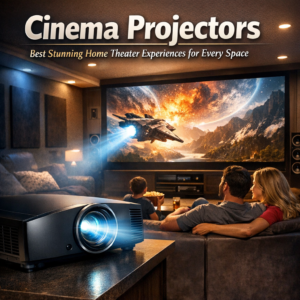
The best home theater projector depends on more than image resolution. Room size, lighting conditions, screen distance, sound, operating system, and intended use all influence the ideal choice. A projector designed for a dark media room may struggle in a bright family room, while a compact model may work perfectly for occasional movie nights but prove less suitable for permanent installation.
For another helpful perspective, this Home Theater Projector highlights practical trade-offs for buyers. For another helpful perspective, this mini projector buying guide explains practical trade-offs for buyers. Before buying, consider where you will place the projector and how large you want the image to be. Throw distance refers to the space between the projector and the screen. Standard-throw projectors require several feet of distance, while short-throw models can create a large picture from only a few feet away. Brightness also matters. A projector with higher light output performs better in rooms with ambient light, although even the brightest model benefits from curtains or dimmable lighting.
Resolution determines image detail. Full HD 1080p remains an excellent choice for movies, television, and gaming, while 4K projectors provide sharper images on larger screens. Contrast, color accuracy, HDR compatibility, and motion handling also contribute to a cinematic picture.
Home Theater Projector: Short-Throw Cinema Projector for Smaller Rooms
A short-throw cinema projector offers an excellent solution for apartments, bedrooms, and multipurpose living rooms. These projectors can sit close to a wall or screen while producing an image that may measure 80, 100, or even 120 inches diagonally. This design reduces shadows from people walking in front of the image and helps prevent cables or furniture from becoming obstacles.
Short-throw models work especially well when a traditional ceiling-mounted setup is not practical. Many include automatic focus and keystone correction, which simplify installation. For the best results, use a flat, high-quality projection screen rather than a textured wall. Ultra-short-throw models can sit directly beneath the screen and resemble a television console, making them a stylish choice for everyday living spaces.
Home Theater Projector: Laser Smart Projector for Movies
A laser smart projector for movies combines long-lasting light-source technology with built-in streaming features. Unlike traditional lamp projectors, laser models typically offer faster startup, consistent brightness, and a longer operating life. They also tend to produce vibrant colors and strong contrast, making them well suited to dramatic films, animated content, and high-definition series.
Smart functionality adds convenience. Many projectors include access to popular streaming platforms, voice control, wireless casting, and Bluetooth connectivity. However, check the supported applications because some streaming services may require an external streaming stick, depending on the operating system.
Laser projectors make a strong choice for households that want a permanent entertainment setup with minimal maintenance. They also run more quietly and use less energy than many older lamp-based models, although advanced laser systems can cost more initially.
Ultra-Bright Portable Projector for Flexible Entertainment
An ultra-bright portable projector makes it possible to move movie night from one room to another. Compact designs are easy to carry, while built-in batteries on select models allow entertainment without immediate access to a power outlet. These projectors work well for bedrooms, travel, presentations, gaming sessions, and backyard gatherings.
Brightness remains critical for portable use. A model with strong light output can produce a more visible image in rooms that are not completely dark. However, compare specifications carefully because manufacturers may use different brightness standards. Look for clearly stated ANSI or ISO lumens when possible.
Portability should not come at the expense of connectivity. Useful features include HDMI, USB, Wi-Fi, Bluetooth, screen mirroring, and integrated speakers. A lightweight projector with automatic focus and built-in audio can prove especially convenient for spontaneous viewing.
3D Native 1080p Projector for Immersive Viewing
A 3D native 1080p projector can bring depth and realism to compatible movies and games. Native 1080p resolution ensures that Full HD content appears without relying on lower-resolution panels or excessive upscaling. When you pair the projector with active or compatible 3D glasses, it can create an engaging theater-style experience.
For the best 3D performance, brightness and refresh rate matter. Three-dimensional content often appears darker than standard two-dimensional video, so a brighter projector can help preserve detail and color. Low input lag also matters for gaming, while smooth motion processing benefits fast action scenes and sports.
Confirm which 3D formats the projector supports before purchasing. Compatibility may vary between Blu-ray players, gaming consoles, streaming devices, and media servers.
Dolby Atmos Home Cinema Projector Setup
A Dolby Atmos home cinema projector setup focuses on creating a complete audiovisual experience rather than relying on the projector alone. Projectors generally include basic speakers, but external audio provides a far more immersive result. A soundbar, AV receiver, or surround-sound system can deliver clearer dialogue, deeper bass, and more convincing effects.
Dolby Atmos adds height-based audio, allowing sound to appear above and around the viewer. Read Dolby’s overview of Dolby Atmos technology for more information about the format. When selecting equipment, check whether the projector can pass audio through HDMI eARC, optical output, Bluetooth, or another compatible connection. An AV receiver may suit a dedicated theater room, while a compact soundbar works well in smaller spaces.
Room layout also affects sound quality. Position speakers carefully, avoid blocking them with furniture, and use rugs or curtains to reduce harsh echoes. A balanced combination of accurate visuals and well-placed audio often feels more cinematic than simply choosing the highest resolution.
High-Lumen Outdoor Movie Projector
A high-lumen outdoor movie projector supports backyard screenings, community events, and summer entertainment. Outdoor viewing presents unique challenges because even small amounts of surrounding light can reduce contrast. A bright projector helps maintain visibility, but scheduling the screening after sunset remains one of the most effective ways to improve picture quality.
Outdoor setups need a stable screen, weather-safe power arrangements, and suitable audio. Never leave electronic equipment exposed to rain, moisture, or sudden weather changes. A portable screen works better than a wrinkled sheet because it provides a smoother surface and better image consistency.
Consider connectivity as well. Wireless casting may prove convenient, but a wired HDMI connection can offer greater reliability for long films. External speakers usually provide better coverage because built-in projector audio may not carry well across an open yard.
Smart Android TV Video Projector Features
A smart Android TV video projector offers a familiar interface for streaming, browsing, casting, and downloading compatible applications. These models can reduce the need for additional media devices and often include Wi-Fi, Bluetooth, voice search, and access to a broad selection of entertainment services.
Performance depends on more than the operating system. Look for sufficient internal memory, responsive navigation, regular software updates, and strong wireless connectivity. Automatic focus and obstacle avoidance can make setup easier, especially when you move the projector frequently.
Whether you need a compact portable unit or a premium laser model, exploring the dedicated mini projector buying guide can help you compare different styles and features in one place.
Creating the Best Viewing Environment
Even an excellent projector needs the right surroundings. Dark walls, blackout curtains, and controlled lighting improve contrast and color. A dedicated screen usually outperforms a painted wall, particularly when viewing HDR or high-resolution content. Seating should sit at a comfortable distance that lets viewers appreciate the image without noticing individual pixels.
Keep the projector’s ventilation openings clear and clean its air filters when required. Correct placement also matters: a level surface, centered image, and secure mounting help prevent distortion. With the right projector, screen, sound system, and room preparation, nearly any space can become a memorable home cinema.