



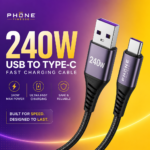


This guide to affordable reliable solutions explains the key choices, value factors, and practical details to consider before making a purchase. The number 16517 can represent a product code, service identifier, project label, or purchasing category; however, the underlying principle remains the same. Value comes from choosing tools that solve real problems without adding unnecessary cost or complexity. Therefore, a smart approach combines careful research, realistic budgeting, quality assessment, and long-term thinking.
Affordable Reliable Solutions: Understanding the Value Behind 16517
For another helpful perspective, this Affordable Reliable Solutions highlights practical trade-offs for buyers. For another helpful perspective, this guide highlights practical trade-offs for buyers. Affordable solutions do not always cost the least. In fact, the lowest price may come with limited durability, poor support, hidden fees, or replacement costs that quickly outweigh the initial savings. Instead, define affordability by the total value a solution delivers over time.
For example, a slightly more expensive appliance may use less energy and last several years longer than a bargain alternative. Similarly, a software subscription with dependable customer support and essential automation features may prove more cost-effective than a free tool that requires hours of manual work.
The 16517 approach focuses on balancing three important factors:
- Initial cost: What you pay at the beginning
- Ongoing cost: Maintenance, upgrades, subscriptions, and operating expenses
- Practical benefit: The time, effort, convenience, or performance the solution provides
When you evaluate these elements together, purchasing decisions become clearer and less influenced by flashy marketing.
Affordable Reliable Solutions: How to Identify Must-Have Solutions
A must-have solution should address a frequent, meaningful need. Before buying anything, identify the problem you want to solve. As a result, you can avoid unnecessary purchases and compare products or services more objectively.
Ask yourself:
- What task currently wastes the most time?
- What problem causes repeated inconvenience or expense?
- Which features are essential rather than merely attractive?
- How often will you use the solution?
- Can an existing tool accomplish the same job?
These answers help separate true necessities from impulse purchases. For instance, a compact storage system may prove essential in a small home, while an advanced accessory may offer little practical improvement. Likewise, a business may need reliable accounting software but not every premium feature in an enterprise package.
Affordable Reliable Solutions: Building an Affordable Budget
A realistic budget should include more than the listed price. Consider shipping, installation, accessories, maintenance, repairs, and potential replacement costs. For digital products, check renewal pricing, user limits, data storage restrictions, and cancellation policies.
One useful method divides potential purchases into three categories:
Essential purchases
These solve an immediate problem or support a critical responsibility. Examples include basic safety equipment, dependable work tools, or software required for daily operations.
High-value improvements
These purchases are not strictly necessary, but they can produce meaningful savings in time, energy, or money. For example, an energy-efficient device or ergonomic workstation may fit this category.
Optional extras
These items provide convenience, style, or entertainment but are not urgent. Consequently, delaying them allows you to protect your budget and make more informed decisions.
This structure helps you prioritize spending without eliminating every enjoyable purchase.
Comparing Quality Without Overspending
Quality does not always require a premium brand. Many affordable products perform well because they focus on essential features rather than luxury packaging or extensive advertising. To assess quality, examine materials, construction, warranty terms, user reviews, and the reputation of the manufacturer or provider.
Look for reviews that describe long-term use rather than only first impressions. In particular, comments about durability, customer support, ease of maintenance, and performance after several months often provide more useful information than brief comments about appearance.
It also helps to compare specifications with your actual needs. A product with the highest capacity or fastest performance may not suit you if you rarely use those capabilities. Therefore, paying for unused power remains one of the most common ways consumers exceed their budgets.
For example, if you need convenient charging for several devices, compare a USB-C splitter cable for charging three devices with separate accessories. That comparison can help you judge whether one multipurpose tool offers better value for your routine.
The Importance of Reliability and Support
A low-cost solution becomes expensive when it fails frequently or proves difficult to repair. Therefore, treat reliability as a core feature rather than a bonus. Check whether replacement parts remain available, whether instructions are clear, and whether the company provides responsive support.
For online services, investigate data protection, service availability, account recovery, and export options. A platform that locks away your information or offers limited assistance may create serious problems later.
Warranties can also reveal how confidently a manufacturer stands behind its product. Although a strong warranty does not guarantee perfection, it can reduce financial risk when defects occur. Always read the conditions, exclusions, and repair or replacement procedures before making a purchase.
Avoiding False Savings
Promotions, bulk discounts, and limited-time offers can encourage people to buy more than they need. A discount creates savings only when you would have purchased the item anyway. Otherwise, it simply presents an expense attractively.
Be cautious of:
- Extremely low prices from unfamiliar sellers
- Products with unclear specifications
- Subscription services that hide renewal rates
- Accessories required for basic operation
- Deals that pressure you to buy immediately
- Reviews that appear repetitive or unreliable
Take time to compare prices across multiple sources. Also, check the final checkout total rather than relying on the headline price. Taxes, delivery charges, service fees, and extended warranties can significantly change the real cost. For additional guidance, review the Federal Trade Commission’s advice for spotting and avoiding scams.
Making Solutions Work for You
Even the best solution provides limited value if you do not use it properly. Read the instructions, configure essential settings, and establish a simple maintenance routine. For digital tools, learn the features that can save the most time instead of attempting to master every function at once.
It can also help to review your purchases periodically. Ask whether each solution remains useful, whether you use it efficiently, and whether a less expensive alternative would now meet the same need. In this way, ongoing reviews keep your spending aligned with your goals.
A Practical Long-Term Strategy
The most affordable approach usually reduces waste. Buy fewer items, choose dependable options, maintain them properly, and replace them only when repair no longer makes sense. Reusable products, energy-efficient equipment, multipurpose tools, and flexible software can all support this strategy.
Ultimately, the 16517 mindset focuses on informed value. It encourages buyers to look beyond price tags and consider usefulness, durability, transparency, and long-term performance. By identifying genuine needs, comparing total costs, and resisting unnecessary features, anyone can build a collection of solutions that remains practical, affordable, and dependable.