


This guide to wireless earbuds for everyday use explains how to choose the right pair for commuting, remote work, workouts, and travel. Today’s models combine compact design, convenient controls, and impressive sound without tangled cables, but comfort, call quality, durability, and battery performance vary widely.
Wireless Earbuds for Everyday Use: What Makes Wireless Earbuds Worth Buying?
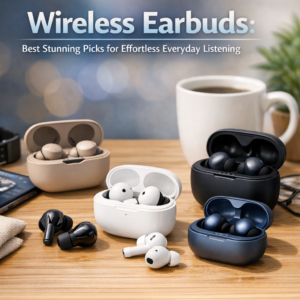
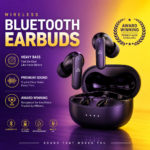
For another helpful perspective, this Wireless Earbuds for Everyday Use highlights practical trade-offs for buyers. Modern wireless earbuds connect to devices through Bluetooth, allowing users to listen to music, podcasts, audiobooks, and calls without a wired connection. Most premium options use a true wireless stereo design, meaning each earbud operates independently with no cable connecting the left and right sides.
The best models deliver more than simple portability. They may include touch controls, voice assistants, multipoint pairing, automatic ear detection, customizable sound profiles, and wireless charging cases. These features make everyday listening faster and more convenient, especially for people who move between phones, tablets, laptops, and smartwatches.
Sound quality also varies significantly. Some earbuds emphasize deep bass for pop and electronic music, while others offer a balanced profile suited to vocals, classical tracks, and podcasts. A companion app can often refine the listening experience with an equalizer or preset sound modes.
Wireless Earbuds for Everyday Use: Fit and Design
Comfort is one of the most important factors when selecting wireless earbuds. In-ear models use silicone tips to create a seal inside the ear canal, which can improve bass response and passive noise isolation. Many include several tip sizes so users can find a secure and comfortable fit.
An open ear earbud, by contrast, rests near the ear canal rather than sealing it completely. This design allows users to hear surrounding sounds, making it useful for office environments, walking, cycling, and casual listening. Open designs may feel more comfortable over long periods, although they usually provide less bass and noise isolation than sealed earbuds.
For exercise, sports wireless earbuds should remain stable during movement. Look for ergonomic shapes, ear hooks, wing tips, or textured surfaces that help prevent slipping. Lightweight construction is also valuable because bulky earbuds can become uncomfortable during long workouts.
Wireless Earbuds for Everyday Use: Noise Cancellation and Immersive Audio
Active noise cancelling earbuds use built-in microphones to detect external sounds and generate opposing audio signals that reduce unwanted noise. This feature is especially useful on airplanes, trains, busy streets, and in open-plan offices. Some models allow users to adjust noise cancellation intensity, while transparency modes let outside sound pass through when awareness is important.
Noise cancellation performance depends on both the technology and the physical fit. A poor seal can reduce effectiveness, regardless of how advanced the electronics are. Earbuds with adaptive noise control can automatically adjust performance based on the surrounding environment, creating a smoother listening experience.
Spatial audio earbuds offer another type of enhancement. These models simulate a wider, more three-dimensional soundstage, sometimes with head tracking that makes audio appear anchored around the listener. Spatial audio can make movies and compatible music feel more immersive, but results depend on device support, content, and personal preference.
Battery Performance for Busy Days
Battery capacity is a key consideration for people who listen throughout the day. Many earbuds provide between five and twelve hours of playback on a single charge, while the charging case adds several additional cycles. Long battery life earbuds are particularly valuable for frequent travelers, students, commuters, and professionals who spend hours in calls.
Fast charging can be just as useful as total battery capacity. A short charge may provide enough listening time for a commute or workout. Some premium cases also support wireless charging, reducing the number of cables needed on a desk or nightstand.
Keep in mind that active noise cancellation, high volume, spatial audio, and frequent phone calls can reduce battery life. Manufacturer estimates are often based on specific testing conditions, so real-world performance may be somewhat lower.
Durability and Water Protection
People who plan to use earbuds outdoors or during workouts should pay close attention to their durability rating. Waterproof bluetooth earbuds are designed to resist moisture, but “waterproof” does not always mean they can be submerged safely. An IPX4 rating typically protects against splashes and sweat, while higher ratings offer stronger water resistance.
For intense workouts, choose earbuds with reliable sweat protection and a secure fit. After exercise, wipe them dry and allow them to air out before placing them in the charging case. Avoid exposing charging contacts to moisture, as water can cause charging problems or corrosion.
Travelers should also consider the strength of the case hinge, the quality of the charging port, and how easily the earbuds can be cleaned. A durable case protects the earbuds from dust, drops, and everyday wear.
Call Quality and Everyday Connectivity
Clear calls are essential for remote work and mobile communication. Good Bluetooth earbuds use multiple microphones and noise reduction algorithms to isolate the speaker’s voice from wind, traffic, and background conversations. Performance can vary widely, so microphone quality should be considered separately from music performance.
Bluetooth earphones with multipoint connectivity can remain connected to two devices at once. This makes it easier to switch between a computer and smartphone without manually disconnecting and reconnecting. Newer Bluetooth standards can also improve connection stability, energy efficiency, and compatibility with modern devices. For a technical overview, see the official Bluetooth technology overview.
Before purchasing, check whether the earbuds support the operating system and features you use most. Some functions, such as spatial audio, advanced equalizer settings, or seamless device switching, may work best within a particular brand ecosystem.
How to Get Better Performance
Proper fit is the first step toward better sound. Try each included ear tip and test the seal with music that contains vocals and bass. A secure seal should improve clarity and low-frequency response without creating uncomfortable pressure.
Keep firmware updated through the manufacturer’s app, as updates may improve connection reliability, call quality, or battery management. Clean the speaker mesh gently with a dry, soft brush, and avoid using sharp objects that could damage the drivers.
Finally, protect your hearing by keeping volume at a moderate level and taking regular breaks. Even the most advanced wireless earbuds cannot compensate for listening at unsafe volumes for extended periods.
The ideal pair depends on how and where you listen. Commuters may prefer active noise cancelling earbuds, athletes may benefit from sports wireless earbuds with strong water resistance, and outdoor listeners may appreciate the awareness provided by an open ear earbud. For product comparisons, explore our best wireless earbuds buying guide. By prioritizing fit, battery performance, durability, sound quality, and connectivity, you can choose wireless earbuds that deliver effortless listening well beyond the first few weeks of ownership.