
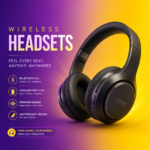


Wired headphones with mic remain one of the most dependable audio solutions for work, gaming, and everyday calls. Unlike wireless models, they do not require charging, pairing, or troubleshooting connection drops. A good wired headset can deliver clear sound, dependable microphone performance, and comfortable all-day use with computers, phones, tablets, and gaming systems.
Why Choose Wired Headphones With Mic?
Wired headphones with mic connect directly to your device. This simple design often provides lower audio latency, consistent performance, and excellent compatibility. For gamers, even a small delay can affect reaction time, while professionals benefit from reliable voice transmission during meetings and calls.
For another helpful perspective, this Wired Headphones With Mic highlights practical trade-offs for buyers. Another helpful perspective on these headsets is their balance of performance, convenience, and value. Buyers can also explore this guide to wired headsets for practical buying considerations. Wired headsets typically cost less than comparable wireless models because they do not require batteries, wireless transmitters, or advanced charging systems. They are also ready to use immediately: plug them in, select the audio device, and begin listening.
For users who spend hours in video conferences, online classes, customer support calls, or multiplayer games, the right headset can improve comfort and communication without adding unnecessary complexity.
Wired Headphones With Mic: Selecting an Over Ear Wired Headset
An over ear wired headset surrounds the ears with padded ear cups, helping block outside distractions and improving long-term comfort. This style is especially useful in busy offices, shared homes, and gaming rooms where background noise may interrupt concentration.
When comparing over-ear models, look for breathable padding, an adjustable headband, and moderate clamping pressure. Memory foam cushions can feel comfortable during extended sessions, but softer materials may become warm after several hours. Rotating ear cups also help with storage and occasional one-ear listening.
Sound quality should match your primary activity. Balanced tuning works well for music, podcasts, and meetings, while gaming headsets may emphasize bass and positional effects. Avoid choosing a model based only on maximum volume. Clear mids and controlled bass matter more for understanding speech and identifying in-game audio cues.
Wired Headphones With Mic: Best Features in an Office Headset With Mic
An office headset with mic should prioritize speech clarity, comfort, and ease of use. A boom microphone positioned close to the mouth generally delivers better results than a built-in microphone located on the cable or ear cup. Flexible microphone arms let users adjust the distance and angle for a more natural voice.
A mute button is another valuable feature. Some office headsets include a physical mute switch on the ear cup or inline remote, while others automatically mute when the microphone rises. Volume controls within reach can make meetings more convenient, particularly for people who frequently switch between presentations and conversations.
A lightweight wired headset is often the best choice for office work. Heavy headbands and firm ear cups can cause fatigue during a full workday. Models that weigh little while using durable materials provide a good balance between comfort and reliability.
Choosing a Call Center Wired Headset
A call center wired headset must withstand frequent use while keeping conversations clear. Professional call environments often require users to wear a headset for many hours, so comfort and microphone performance are essential.
Look for models with noise-reducing microphones designed to minimize keyboard sounds, nearby conversations, and office activity. Some headsets use dual microphones or directional microphone technology to focus on the speaker’s voice. A monaural design, with one ear covered and one ear open, can help users remain aware of colleagues and surroundings. Binaural models, which cover both ears, provide greater concentration in noisy spaces.
Durability also matters. Reinforced cables, replaceable ear cushions, and flexible adjustment points can extend the headset’s useful life. Compatibility with popular calling platforms matters as well, especially when the headset connects to business communication software.
USB C Wired Headset Benefits
A USB C wired headset connects directly to newer laptops, smartphones, tablets, and other devices through a USB Type-C port. It can serve users whose devices no longer include a traditional headphone jack.
USB C models may include built-in digital audio processing, volume controls, microphone enhancements, and noise reduction. Because audio travels digitally, the headset can sometimes provide more consistent performance than a basic analog connection. However, compatibility is not universal. Some USB-C ports support charging and data but handle audio differently, so check device specifications before purchasing. The USB-IF information on USB Type-C connectors provides additional technical context.
A USB C wired headset is particularly convenient for mobile work. It eliminates the need for adapters and can provide a stable connection during virtual meetings, voice recording, and video calls. Choose a model with a sufficiently long cable if you plan to use it with a desktop setup.
3.5mm Gaming Headset Versatility
A 3.5mm gaming headset remains one of the most flexible choices for players. The standard connector works with many PCs, laptops, consoles, handheld devices, and mobile products. Some gaming systems use a combined headset port for both audio and microphone signals, while desktop computers may have separate ports. In that case, you may need a splitter adapter.
A quality 3.5mm gaming headset should provide accurate positional audio, a clear microphone, and comfortable ear cushions. Virtual surround sound can create a wider sense of space, but it is not always necessary. Stereo audio can feel more natural and work effectively for competitive gaming when the headset has good left-right separation.
A detachable microphone and removable cable are useful for users who also want to use the headphones for music or travel. Inline controls allow quick volume adjustments, although physical ear cup controls are often easier to find during gameplay.
Is a Noise Cancelling Wired Headset Worth It?
A noise cancelling wired headset can make it easier to focus in loud environments. Active noise cancellation uses microphones and electronic processing to reduce steady sounds such as air conditioners, engines, and office ventilation. Passive isolation, created by sealed ear cups, helps block voices and sudden noises.
Noise cancellation is especially useful for commuters, remote workers, and students. However, it may slightly affect battery-free operation if the system requires power through an internal battery or USB connection. Some wired noise-cancelling models still need charging for active cancellation, even though audio can continue through the cable when the battery is empty.
For calls, microphone noise reduction matters just as much as listening-side noise cancellation. A headset that blocks sound for the wearer but transmits background noise to other people may not provide a complete communication solution.
Stereo PC Headset for Everyday Use
A stereo PC headset is a practical option for meetings, media, casual gaming, and general computer use. Stereo sound separates audio into left and right channels, providing a natural listening experience without the complexity of surround processing.
When selecting a PC headset, check the connection type, cable length, operating system support, and microphone design. A longer cable helps with desktop towers, while a shorter cable can reduce clutter with laptops. Inline controls are convenient, but some users prefer a headset with independent mute and volume buttons.
For shared workspaces, closed-back ear cups help reduce sound leakage. Open-back designs may feel more spacious but allow audio to escape and provide less isolation.
Final Buying Considerations
Before purchasing, identify where and how you will use the headset most often. Office professionals may prioritize microphone clarity and all-day comfort, gamers may focus on positional audio and durability, and frequent travelers may prefer a compact model with passive isolation.
Also consider device compatibility, warranty coverage, cable construction, ear cushion quality, and replacement parts. The best wired headset is not necessarily the one with the most features. It is the model that delivers clear communication, comfortable listening, and dependable performance throughout your daily routine.